Phoenix Fire & Systems
Private fire hydrants are inspected annually and after each operation, with an annual operational flow: open the hydrant, flow until the water runs clear, and lubricate as required. That annual operation is not an NFPA 291 rated-capacity flow test, and underground or exposed private fire service mains get a separate flow test about every 5 years.
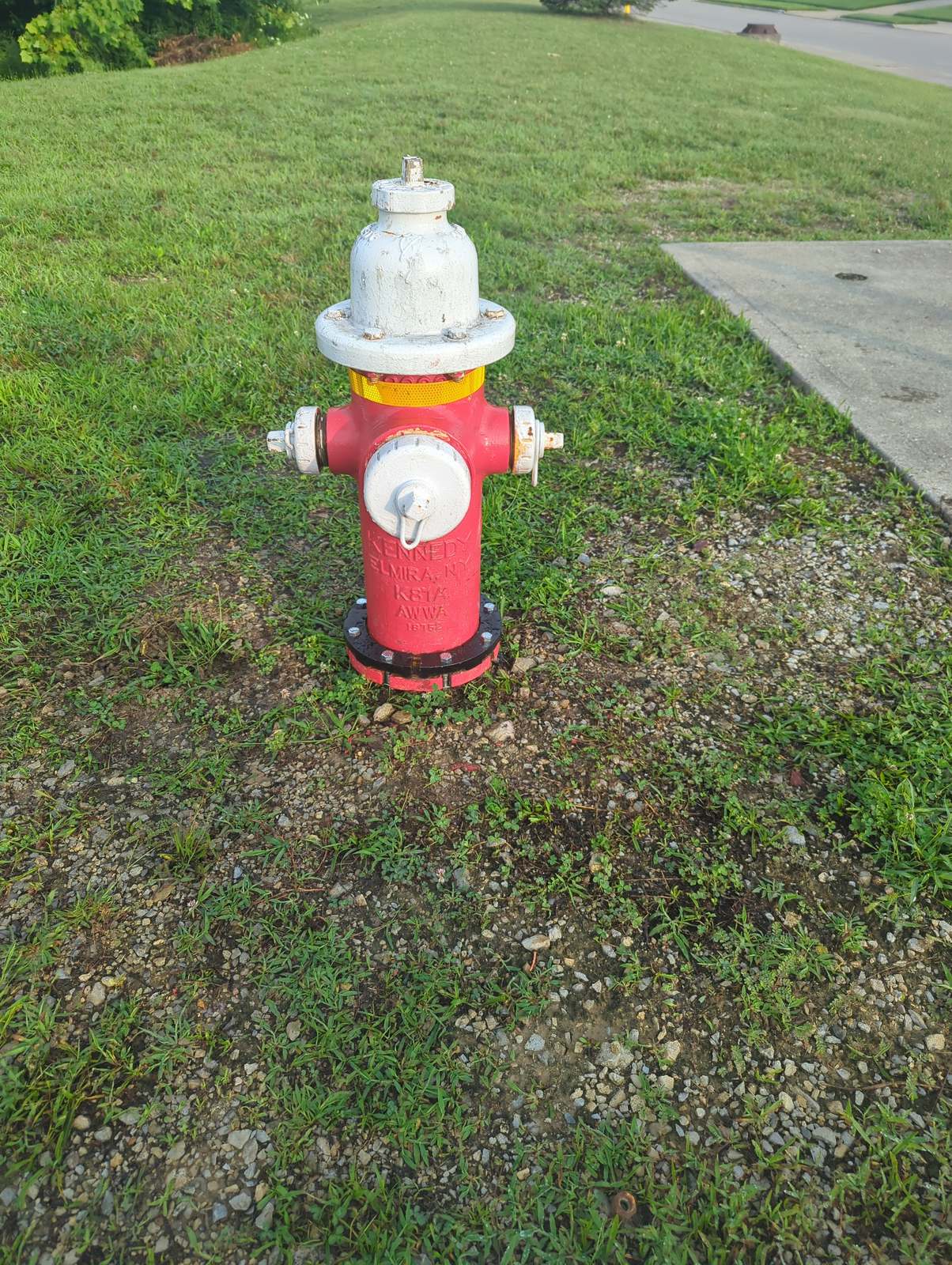
A private hydrant sits on the property's private fire service main. A campus loop, an industrial yard, and an on-site hydrant the building owns are in that group. The property owner is responsible for the inspection, testing, and maintenance. A hydrant on the public street is usually the water utility or the municipality. Flushing that street hydrant does not cover the private hydrants on the site.
Site maps, as-builts, the water-service agreement, and which valves the owner controls show which hydrants are private. The fire code official or the water supplier can confirm it. Hydrant color is whatever that fire code official approves. Color by itself does not show who owns the hydrant.
The annual visit is a person qualified for that work. They look at access, leaks, the barrel, outlet caps and threads, the operating nut, and whether a wrench is on site. They open the hydrant fully, flow until the water runs clear, and lubricate stems and caps as required. On a dry-barrel hydrant, the kind used where winters freeze, they check that the barrel drains after the flow. Water left standing in the barrel can freeze and damage the hydrant. The written record covers each hydrant.
That annual operational flow is not a rated-capacity test. It does not record static pressure, residual pressure, and available flow the way a water-supply test does. NFPA 291 is a recommended practice for flow testing and marking. It does not set how often private hydrants are inspected. If the fire code official asked for a capacity number, confirm which record they want before the visit.
Exposed private main piping is inspected annually. Underground and exposed private fire service piping is flow-tested about every 5 years, to see whether the inside of the main still supports the flow the site needs. Piping strainers are inspected and maintained after each use. After any operation, that hydrant is inspected again.
Private fire service mains are installed under NFPA 24. This schedule is the inspection, testing, and maintenance after they are in service. Sprinklers and fire pumps are the same NFPA 25 family, on their own schedules: NFPA 25 sprinkler inspection and fire pump testing. A fire-line backflow preventer on that main has its own test: fire-line backflow testing.
Ohio and NFPA 25
Ohio adopts NFPA 25 (2023) for inspection, testing, and maintenance of water-based fire protection systems (sprinklers, standpipes, fire pumps, and related equipment). Private fire hydrants and private fire service mains are in that book. The 2025 Ohio Fire Code took effect November 20, 2025. Table 901.6.1 in OAC 1301:7-7-09 points water-based fire protection systems to NFPA 25. Section 507.5.3 requires private fire service mains and water tanks to be inspected, tested, and maintained in accordance with NFPA 25 at these intervals: private fire hydrants of all types, inspection annually and after each operation, and flow test and maintenance annually; fire service main piping, inspection of exposed piping annually and a flow test every 5 years; fire service main piping strainers, inspection and maintenance after each use. Section 507.5.2 says fire hydrant systems are subject to periodic tests as required by the fire code official, kept operative, repaired where defective, and the records of tests and required maintenance kept. The owner is responsible for having that work done. Annual hydrant inspection, flow, and maintenance has to be done by a person qualified for that work. Keeping the hydrant clear and reporting damage does not. The Ohio Fire Code is the statewide minimum. A city or township that adopts its own fire rules can add requirements that meet or exceed it.
Each fire protection system needs an annual inspection tag under section 901.6.4, near the main control valve, the main panel, or another spot the fire code official accepts. The tag shows who did the work and the state fire marshal installer certification number when that applies, the date of the test, the results, and whether deficiencies or impairments were noted. Section 901.7 covers taking the system out of service.
A fire department inspection runs on the fire department's own cycle. It is not the NFPA 25 ITM, which the owner still keeps current.
What the owner does
Keep a 3-foot clear space around the circumference of each hydrant, unless the fire code official requires or approves something else. Do not let vehicles, storage, or snow block access. Where a vehicle can hit a hydrant, it needs guard posts or another means the fire code official approves. Keep maps where the person doing the test can use them.
The annual operation, the lubrication, the drainage check, and the 5-year main flow test are a person qualified for that work. Do not rebuild a hydrant, cut into a private main, or run a flow test on your own and treat it as the record for the fire code official.
A hydrant that will not open, leaks, will not drain, or is damaged is a call, not a wait until next year. So is a 5-year main flow test that is due. Keep the inspection, test, and maintenance records where the fire code official or the insurer can see them.
In a fire, call 911. For a non-emergency problem with a private hydrant, call a contractor. Do not take the system out of service on your own.
Phoenix Fire & Systems inspects and flow-tests private fire hydrants. Call (937) 637-7768, or see private fire hydrant service and request a quote.