Phoenix Fire & Systems
A commercial fire alarm needs visual inspection and functional testing on NFPA 72 schedules that follow the device, not one walkthrough a year. Ohio points fire alarm systems to NFPA 72 for inspection, testing, and maintenance.
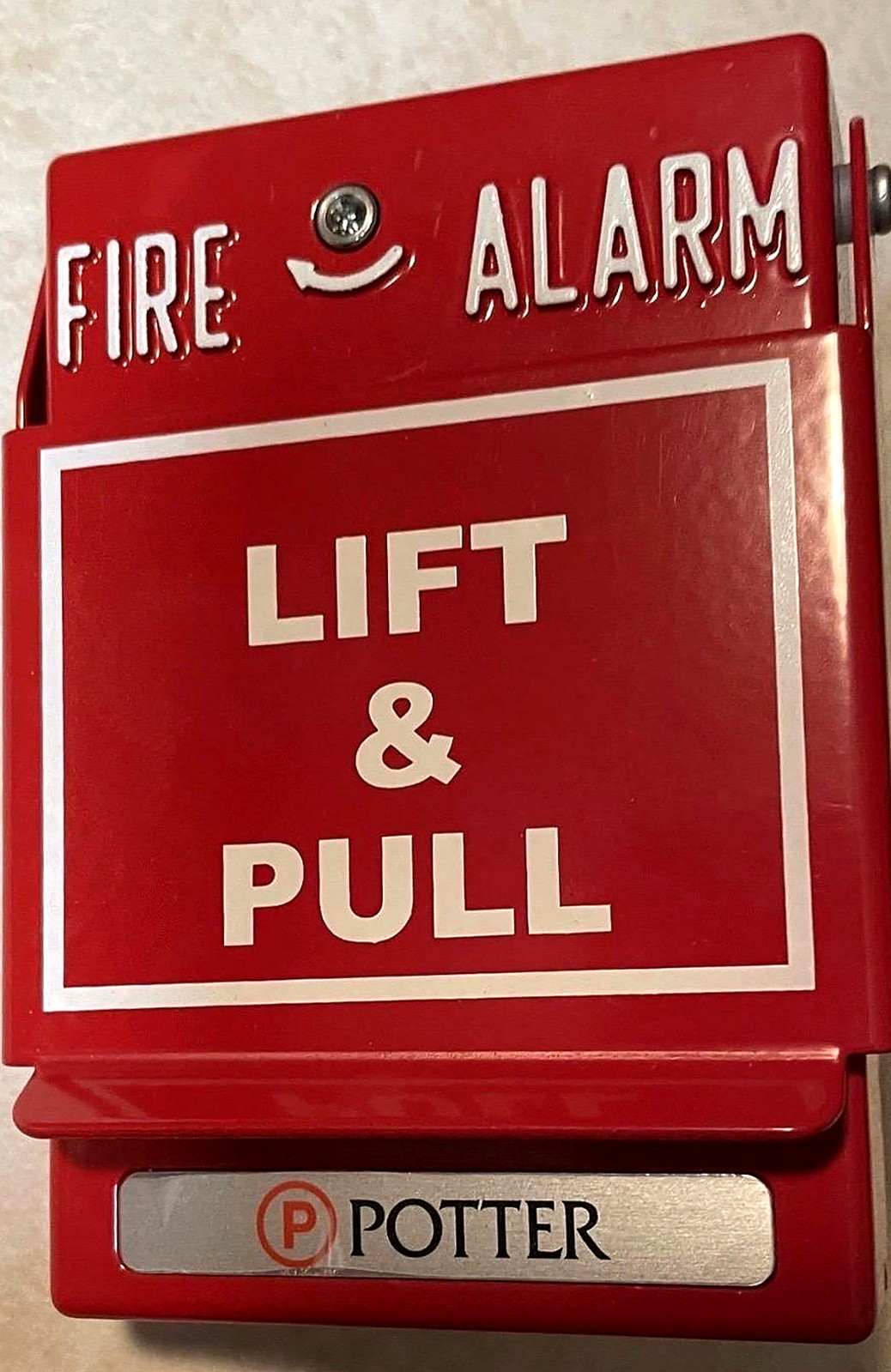
This is a commercial fire alarm on a protected premises: a control unit, initiating devices, and notification appliances. A household smoke alarm is a different product. Portable fire extinguishers follow a different book: portable fire extinguisher inspection. Sprinkler inspection, testing, and maintenance follows NFPA 25. This schedule is NFPA 72.
Inspection is a visual check. The device is still where it belongs, it is not damaged or blocked, and a change in the building has not put it out of the job it was placed to do. Testing is a functional check that the device and the function operate as intended. Frequencies are by component. There is no single monthly or annual rule for every part.
Many initiating devices, notification appliances, and interface functions follow a semiannual visual inspection and an annual functional test. How often someone looks at the control unit depends on whether alarm, supervisory, and trouble signals are monitored. Batteries and secondary power follow the interval for that battery type. A waterflow switch is functionally tested more often than once a year, often with the sprinkler work. Smoke detector sensitivity testing checks that a detector still responds inside its listed range. It is not the same test as the annual function check, and the person doing the work tracks which detectors are due.
The annual visit does not erase the other intervals. Monitoring does not replace them. When a building has monitoring, that supervising station is often a third-party central station.
On the annual fire alarm inspection and testing visit, a person qualified for that work, and familiar with NFPA 72, tests the devices and functions that interval requires. If the panel needs it, they troubleshoot it. They write down what failed or needs service and leave that record with the building. The groups are the fire alarm control unit, initiating devices (smoke, heat, manual pulls, and duct detectors), notification appliances (horns and strobes), the path to the supervising station when the system is monitored, and interface functions such as elevator recall, HVAC shutdown, and door release. Adding, moving, or replacing devices after a remodel is a separate job.
Ohio and NFPA 72
Ohio's fire alarm and signaling requirements reference NFPA 72 (2022), National Fire Alarm and Signaling Code, under the 2025 Ohio Fire Code. The 2025 Ohio Fire Code took effect November 20, 2025. Table 901.6.1 in that code lists fire alarm systems under NFPA 72 for inspection, testing, and maintenance. The owner is responsible for having that work done. Annual fire alarm inspection and testing has to be done by a person qualified for that work. Noticing a trouble signal and calling does not. The Ohio Fire Code is the statewide minimum. A city or township that adopts its own fire rules can add requirements that meet or exceed it. Section 907.2 is about where a new building has to have a fire alarm. That is not this schedule.
Each fire protection system needs an annual inspection tag under section 901.6.4, near the main panel or another spot the fire code official accepts. The tag shows who did the work and the state fire marshal installer certification number when that applies, the date of the test, the results, and whether deficiencies or impairments were noted. Keep the inspection, testing, and maintenance records the standard requires. Acceptance-test records stay for the life of the system.
If a required fire alarm is out of service, notify the fire department and the fire code official immediately. Fire watch or evacuation may be required under section 901.7. If supervisory service ends, the responsible person has to notify the local fire code official within 24 hours. That notice is separate from the annual test.
What the owner does
Read the date on the annual tag, and know whether the system is monitored. Keep the panel room and the annunciator easy to reach. Do not ignore a trouble or supervisory signal. When tenants move walls, ceilings, or ductwork, write it down. Duct detectors and horn and strobe coverage can change. Keep the records where the fire code official or the insurer can see them. A trouble that will not clear, a failed device, or a note from the fire code official is a call, not a wait until next year. Do not open the panel.
In a fire, call 911. For a non-emergency problem with the system, call a contractor.
Phoenix Fire & Systems does commercial fire alarm inspection and testing. Call (937) 637-7768, or see fire alarm service and request a quote.